In the past creating a high-quality 3D asset demanded a mixture between technical skills, artistic skill and considerable amounts of time. Designers manually sculpted shapes, applied textures, altered lighting, and created files to be used on various platforms. Nowadays, artificial intelligence is transforming this process. AI-powered 3D modeling tools allow designers to create quickly detailed objects, beginning with the simplest text or a photo.
This shift is changing the way we design and makes 3D design more accessible to professionals and beginners alike this opens the doorway to faster production and more creative exploration.
From Image from Image 3D Model in minutes
Image to 3D Model technology is one of the hottest innovations in this field. Instead of making models from scratch intelligence analyses an image and identifies the shapes and depth, and transforms them into an entirely useful 3D asset.
This feature is especially beneficial for industries that are dependent on speed and accuracy in visuals. Architectural professionals can visualize the structure before beginning construction, while designers for products and game developers are able to quickly develop prototypes. There are many other industries, not just educators and marketers who are benefiting from the ability to transform visual concepts into 3D interactive content.
The time savings can be significant. It’s possible to accomplish what would have taken days of modeling, texture, and optimization in just a fraction of that time. This allows teams more time to improve their ideas, rather than creating every part manually.
AI 3D Modeling is gaining popularity
AI 3D models are in the spotlight because they ease complex workflows. Artificial intelligence systems that are trained on massive datasets can create realistic shapes and materials while maintaining accuracy and consistency.
This speed does not just boost productivity but increases creativity. Designers are able to test several variations of a single idea in a short amount of time, compare the outcomes, and then select the most efficient solution. It is crucial for the production of films and virtual reality, as well as marketing and ecommerce visualization.
Another major benefit is accessibility. Modern platforms allow for people who have very little experience with 3D creation to still create quality assets.
Seamless integration into Professional Workflows
For professionals, compatibility as well as speed are equally crucial. The most modern AI 3D models are designed to seamlessly integrate into existing pipelines. Models can be exported using many formats, such as FBX, OBJ, GLB, STL, and USDZ making them simple to integrate into games engines, rendering software and even 3D printing systems.
Asset libraries that are well-organized are essential to ensuring efficient production. The ability to search for and locate every model created helps teams manage projects. Filtering through tags or downloading large files and easily regaining previous versions are all methods to cut down on time.
Security and privacy functions have also become standard. This lets creators keep their assets secure ready to be used immediately in creative or commercial projects.
Control and Precision with AI Tools
There is a misconception that automation is a way to eliminate control but modern AI is used in 3D modeling tools usually have specific adjustment options. Users can provide precise measurement, pivot points or even ensure the correct positioning of objects in scenes. These features are essential for animation, architectural visualization, and simulation where precision is vital.
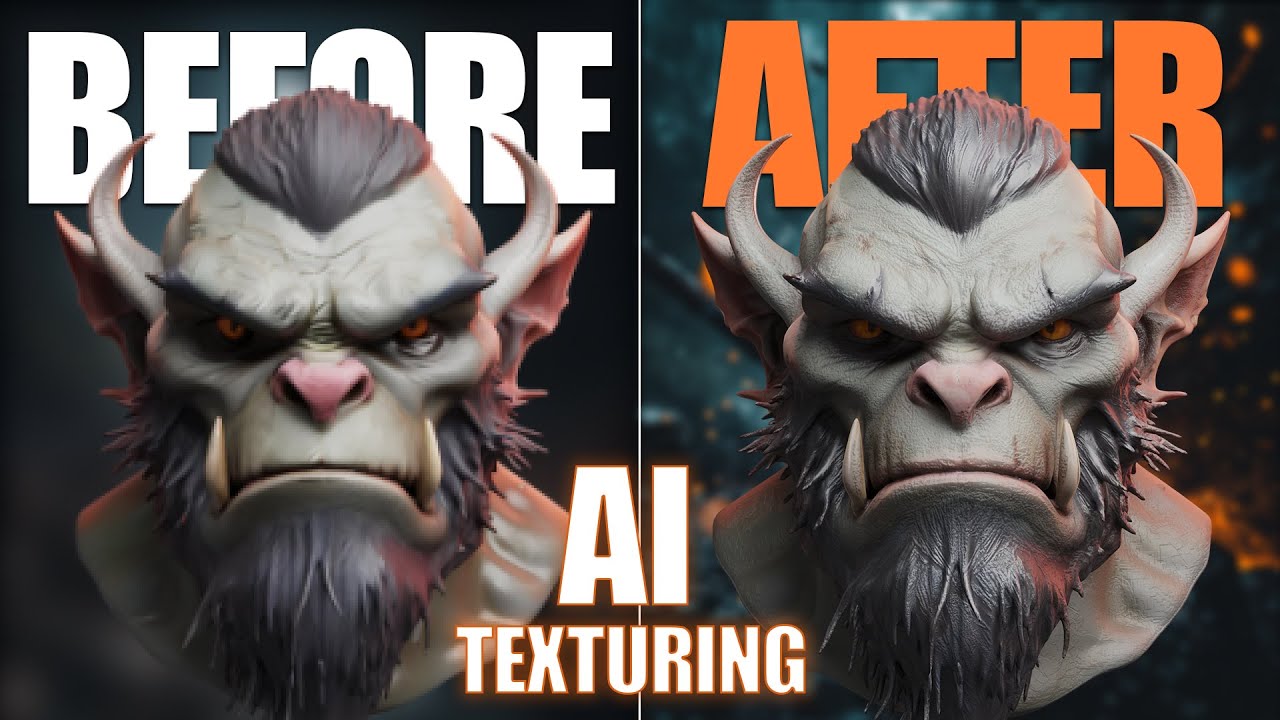
Artificial intelligence can also be used to create textures. This allows creators of realistic materials to quickly create them. It can reduce the time needed to do manual painting while preserving a professional appearance.
Looking Ahead Looking Ahead: The Future of 3D Model AI
As artificial intelligence continues to evolve, the possibilities for 3D model AI will expand further. More advanced systems are likely to create whole environments, optimize assets automatically and modify models for various platforms without any additional steps.
The platforms are already demonstrating how effective they can be. 3D AI Studio, the most powerful 3D asset studio is a reflection of this latest generation of software designed to streamline workflows, simplify creation and enable creators to move from an idea or conception to a fully-formed model with minimal effort.
Conclusion
The way content is created changes as the capacity to go from concept to fully-developed asset in a matter of hours has revolutionized. Image to 3D Model technology and sophisticated AI 3D models tools allow creators to get beyond traditional processes that are slow and inefficient.
These technologies will continue to develop and play a bigger role in industries such as entertainment, gaming engineering, as well as education. They will enable high-quality 3D production more efficient, better and more affordable.